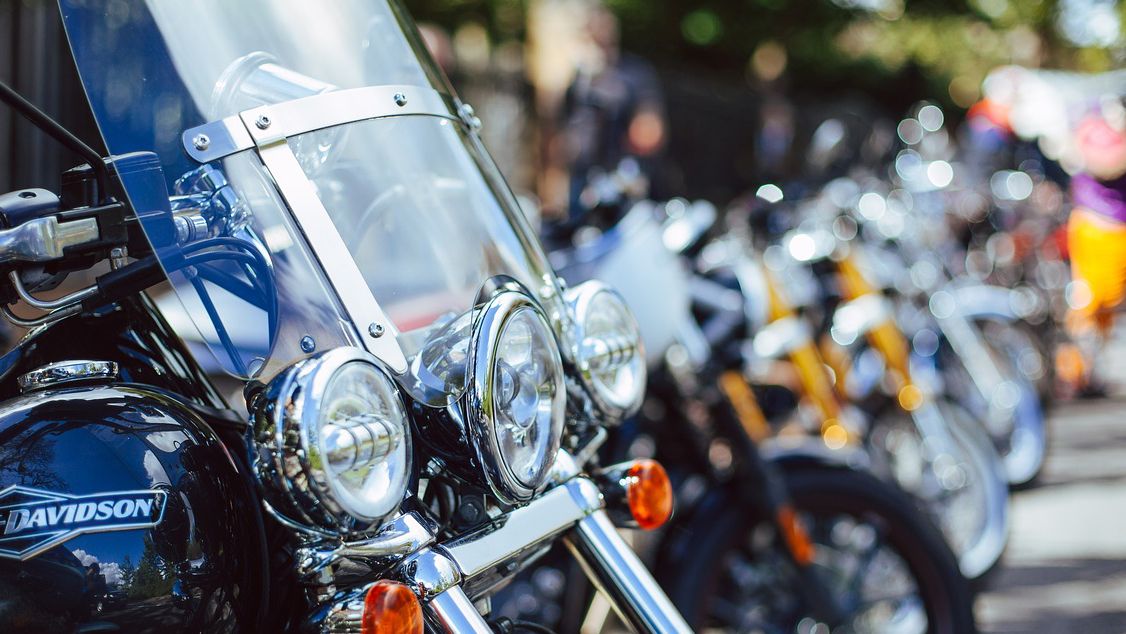
Veteran and medical patient riders are quietly reshaping what a motorcycle rally looks like in America. The chrome and thunder are still there, but for many on two wheels, the ride has become a rolling demand for serious, science-based cannabis reform.
Veterans sit at the center of this push. A national survey commissioned by The American Legion found that more than 90 percent of veteran households support expanded research into medical cannabis, and over 80 percent believe the federal government should legalize it for therapeutic use. Testimony shared with Congress has highlighted that roughly one in five veterans already use cannabis to treat a medical condition, often related to chronic pain or post-traumatic stress disorder (PTSD). For riders who served, those numbers aren’t abstract—they’re lived experience.
Advocacy is increasingly happening from the saddle. At Rolling Thunder–style memorial rides and events at Harley-Davidson dealerships near Washington, D.C., the Veterans Cannabis Project (VCP) has joined thousands of bikers to spotlight the intertwined crises of pain, opioids and veteran suicide. VCP’s core message is direct: medical cannabis can be a life-saving option, and veterans deserve full, legal access to it—not a patchwork of state rules and federal stigma.
Medical patient riders—veterans and civilians alike—are also stepping in as educators. The Department of Veterans Affairs acknowledges that some veterans use cannabis to cope with PTSD-related symptoms, even while federal law still classifies marijuana as a Schedule I substance. Crucially, VA guidance now clarifies that veterans will not be denied VA benefits solely because they use cannabis or talk about it with their care team. On rally grounds and in clubhouse parking lots, riders translate that fine print into plain language, explaining what is and isn’t allowed so fellow vets can make safer, informed choices.
On the policy front, veteran and patient riders have become familiar faces in statehouses and on Capitol Hill. Organizations such as Disabled American Veterans have publicly called for more research into medical cannabis as an alternative for chronic pain and PTSD, urging Congress to mandate VA studies through legislation like the VA Medicinal Cannabis Research Act. Independent groups like the Veterans Cannabis Coalition press for broader reform, arguing that prohibition blocks promising treatments and distorts care for those who served.
At the grassroots level, nonprofits including Weed for Warriors, HEROGROWN and the Santa Cruz Veterans Alliance pair low- or no-cost cannabis access with community building, peer support and policy advocacy aimed specifically at veterans. Their members frequently arrive on bikes, turning poker runs and charity rides into fundraisers, listening sessions and media moments that humanize the debate.
All of this unfolds against an uneven legal map. Every medical cannabis state now allows patients to qualify based on pain, and many explicitly list PTSD and other conditions common among veterans. Yet federal prohibition means a rider’s medicine can be legal at the rally’s starting point and criminal at the next state line. Veteran and medical patient riders lean into that contradiction, using their trips to show exactly how policy inconsistency plays out on real roads and in real bodies.
The cultural shift is unmistakable. Rally lots that once revolved around beer tents now feature veterans comparing cannabinoid ratios, medical patients swapping tapering-off-opioid stories, and advocacy tables helping riders email lawmakers before they roll out. The engines may draw the crowd—but it is the courage to share trauma, talk policy and insist on evidence-driven reform that keeps this movement moving forward.